Understanding tattoo meanings transforms permanent body art from simple decoration into deeply personal storytelling. For thousands of years, across every continent and culture, humans have marked their skin with symbols that communicate identity, beliefs, achievements, and memories. Whether you’re planning your first tattoo or adding to an existing collection, knowing what different designs represent helps you choose ink that will feel meaningful for a lifetime.
Tattoos have evolved dramatically over the past century. What was once associated primarily with sailors, soldiers, and outlaws has become mainstream self-expression. Today, over 30 percent of Americans have at least one tattoo. But with popularity comes the risk of choosing designs without understanding their history or symbolism. A beautiful image might carry meanings you don’t intend. Conversely, a simple symbol might hold powerful significance that perfectly matches your story.
This comprehensive guide covers the most popular tattoo designs and their traditional meanings, cultural significance, and modern interpretations. You’ll learn about animal symbols, nature motifs, religious icons, geometric patterns, and everything in between. By the end, you’ll have the knowledge to choose ink that genuinely represents who you are.
Anchor Tattoo Meaning: Stability, Hope, and Staying Grounded
The anchor stands as one of the oldest and most beloved tattoo symbols, with roots stretching back centuries through maritime culture. Originally, sailors got anchor tattoos to show they had crossed the Atlantic Ocean. Today, the meaning has expanded far beyond nautical boundaries.
An anchor represents stability and staying grounded no matter how rough the waters of life become. It symbolizes hope during difficult times—the idea that even in storms, something holds you steady. For many people, an anchor tattoo also represents a specific person who keeps them grounded, such as a partner, parent, or best friend.
The anchor also carries Christian symbolism, representing hope in faith. Hebrews 6:19 describes hope as “an anchor for the soul, firm and secure.” This religious connection makes anchor tattoos popular among believers who want to express their faith subtly.
Modern variations of anchor meanings:
- Anchor with rope wrapped around it: Strength through connection to others
- Broken anchor: Letting go of someone or something that held you back
- Anchor with a heart: Love that keeps you grounded
- Anchor with “Mom” or a name: Person who serves as your stability
Anchor tattoos work well in almost any placement, from wrists and forearms to chests and calves. Their simple shape scales beautifully from tiny minimalist designs to large detailed pieces.
Rose Tattoo Meaning: Love, Loss, and Beautiful Pain
Few flowers carry as much symbolic weight as the rose. In tattoo culture, the rose has accumulated meanings that range from romantic love to mourning to the balance between beauty and pain.
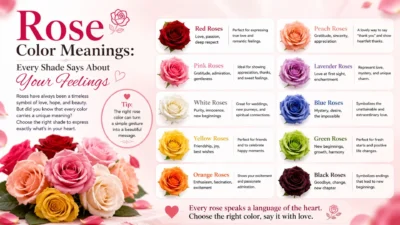
A rose tattoo most commonly represents love in its many forms. Red roses symbolize passionate romantic love. Pink roses show gentle affection or admiration. Yellow roses often represent friendship or remembrance of someone who has passed away. White roses symbolize purity, new beginnings, or spiritual love.
However, the rose’s thorns add another layer of meaning. A rose with thorns represents the idea that beauty and pain often coexist. Love can hurt. Life’s most precious things sometimes come with difficulty. For people who have survived heartbreak or loss, a rose tattoo acknowledges that joy and sorrow are woven together.
Rose combination meanings:
- Rose and dagger: Beauty can be dangerous; love and betrayal
- Rose and skull: Life is short; beauty fades; death comes for everyone
- Rose and cross: Love of faith or love lost to faith
- Black rose: Mourning, death of a relationship, or gothic aesthetics
- Wilted rose: Lost love, passing of time, or ending of something beautiful
Rose tattoos remain consistently popular across genders and ages. Their versatility allows them to fit anywhere from tiny, delicate pieces on fingers to large, elaborate back pieces.
Skull Tattoo Meaning: Death, Rebirth, and Celebrating Life
The skull is one of the most misunderstood tattoo symbols. Many people assume skull tattoos represent violence, darkness, or morbid fascination with death. While some do carry those meanings, the traditional symbolism is actually much more positive and philosophical.
Historically, skull tattoos served as memento mori—Latin for “remember you must die.” Rather than being grim, this philosophy encourages people to live fully because life is temporary. A skull tattoo reminds its wearer to make every day count, to pursue meaning, and not to waste precious time.
Skull tattoos also represent equality. Death comes for everyone regardless of wealth, status, or power. This democratic quality appeals to people who reject superficial social hierarchies.
In Mexican culture, skulls appear prominently in Day of the Dead (Día de los Muertos) celebrations. These colorful sugar skulls represent deceased loved ones and celebrate their lives rather than mourning their deaths. People with Mexican heritage often get sugar skull tattoos to honor ancestors.
Common skull variations:
- Skull with roses: Beauty and death intertwined; accepting mortality
- Skull with crossbones: Classic pirate symbol; danger or rebellion
- Skull with candles or marigolds: Day of the Dead; honoring ancestors
- Animal skull: Connection to nature and mortality of all creatures
- Crystal skull: Mysticism, spirituality, or New Age beliefs
Butterfly Tattoo Meaning: Transformation, Freedom, and New Beginnings
The butterfly’s dramatic life cycle—from crawling caterpillar to chrysalis to winged beauty—makes it one of the most powerful symbols of transformation available. A butterfly tattoo represents personal growth, change, and emerging from difficult periods stronger and more beautiful than before.
For many people, butterfly tattoos mark major life transitions. Surviving an illness, leaving an unhealthy relationship, recovering from addiction, or completing a significant personal journey all fit the butterfly’s meaning perfectly. The tattoo says “I have changed, and I am better for it.”
Butterflies also represent freedom and lightness. After being confined (like the caterpillar in its cocoon), the butterfly can fly anywhere. This resonates with people who have overcome restrictions—whether external circumstances or internal struggles.
In some cultures, butterflies carry additional meanings. In Chinese tradition, two butterflies symbolize love and also In Japanese culture, butterflies represent joy and marital bliss. Some Native American traditions view butterflies as messengers or symbols of hope.
Butterfly color meanings:
- Blue butterfly: Joy, good fortune, or change coming
- Monarch butterfly: Royalty, transformation, or migration (leaving home)
- Black butterfly: Death, rebirth, or major life change
- White butterfly: Spiritual growth, peace, or ancestor connection
- Yellow butterfly: Hope, guidance, or new direction
Feather Tattoo Meaning: Truth, Freedom, and Spiritual Connection
Feather tattoos carry deep meaning across multiple cultures, making them one of the most versatile symbols in body art. The specific meaning often depends on the type of feather and cultural context.
In Native American traditions, feathers represent honor, strength, and connection to the spiritual realm. Eagle feathers, in particular, hold sacred status and are earned through brave or honorable acts. Getting an eagle feather tattoo without understanding this significance can be culturally insensitive.
In broader Western tattoo culture, feathers generally symbolize freedom, truth, and lightness. A feather floating away represents letting go of burdens or releasing something that no longer serves you. A feather that remains intact represents truth that cannot be broken.
Feather tattoos also connect to birds and their meanings. An eagle feather shares the eagle’s symbolism of courage and vision. An owl feather represents wisdom. A peacock feather symbolizes beauty, vanity, or protection (the “eyes” on peacock feathers ward off evil in some traditions).
Feather design variations:
- Single floating feather: Freedom, letting go, lightness
- Feather turning into birds: Transition, soul’s journey, or release
- Quill pen: Writing, creativity, or honoring a writer
- Dreamcatcher with feathers: Protection, filtering out bad dreams/energy
- Broken feather: Lost freedom, grief, or incompleteness
Lotus Flower Tattoo Meaning: Purity, Rebirth, and Rising Above
The lotus flower holds profound spiritual meaning, particularly in Eastern religions like Buddhism and Hinduism. Its symbolism comes from its remarkable growing process. The lotus rises from muddy, murky water to bloom into a perfect, pure flower above the surface.
This journey from darkness to light makes the lotus a powerful symbol of overcoming struggle, rising above difficult circumstances, and achieving enlightenment despite humble or challenging beginnings. For many people, a lotus tattoo represents surviving trauma, escaping poverty, overcoming addiction, or finding peace after mental health struggles.
Lotus color meanings:
- White lotus: Purity of mind and spirit; spiritual perfection
- Pink lotus: Buddha himself; history and connection to Buddhist tradition
- Blue lotus: Wisdom, knowledge, and victory of spirit over senses
- Purple lotus: Mysticism; connection to spiritual journeys
- Red lotus: Love, compassion, and passion of the heart
The number of petals also carries meaning. An eight-petal lotus represents cosmic harmony. A thousand-petal lotus represents spiritual awakening. Most tattoo designs use simple five- or eight-petal flowers for visual balance.
Lotus tattoos work beautifully in almost any placement. Small lotus flowers suit wrists, ankles, and behind ears. Larger, detailed lotus pieces shine on backs, shoulders, and thighs. Watercolor lotus designs have become especially popular in recent years.
Compass Tattoo Meaning: Direction, Guidance, and Finding Your Way
The compass has become one of the most popular tattoo designs of the past decade, and for good reason. Its symbolism speaks directly to modern concerns about purpose, direction, and staying true to oneself.
A compass tattoo represents guidance and finding your way through life. It symbolizes staying on course toward your goals and values, even when external circumstances try to pull you off track. For many people, a compass marks a major life change—moving to a new city, changing careers, or recommitting to personal values.
The compass also represents adventure, travel, and the desire to explore the world. Sailors and travelers have used compasses for centuries to navigate unknown waters. A compass tattoo can memorialize a significant journey or represent a wanderer’s spirit.
Compass variations:
- Compass with anchor: Staying grounded while exploring
- Compass with map coordinates: Specific meaningful location (hometown, where you met a partner, etc.)
- Compass with arrow: Moving forward; not looking back
- Broken compass: Feeling lost or questioning your direction
- Compass pointing north: Always knowing which way is home
- Compass with “Not all who wander are lost”: Celebrating exploration without anxiety
Compass tattoos often include geographic elements like mountains, waves, or stars. These additions personalize the design while maintaining the core directional meaning.
Dragon Tattoo Meaning: Power, Wisdom, and Protection
Dragons appear in mythologies around the world, but Eastern and Western cultures interpret them very differently. Understanding these differences matters enormously when choosing a dragon tattoo.
Eastern dragon meanings (Chinese, Japanese, Korean):
In East Asian cultures, dragons are benevolent, wise, and powerful. They control water elements—rivers, rain, and seas. An Eastern dragon represents good fortune, protection, and imperial authority. These dragons typically have long, serpentine bodies, no wings, four claws, and whisker-like barbels on their faces.
- Red dragon: Good luck, passion, and power
- Blue dragon: Water, healing, and harmony
- Black dragon: Justice, punishment, and retribution
- Gold dragon: Wealth, prosperity, and wisdom
- Green dragon: Nature, life, and springtime
Western dragon meanings (European):
Western dragons historically appear as dangerous, destructive beasts that hoard treasure and terrorize villages. Knights slay dragons to rescue princesses and protect kingdoms. A Western dragon tattoo might represent overcoming a great enemy, facing your fears, or conquering something that once controlled you.
Today, Western dragons have softened somewhat. Many people choose dragon tattoos simply because they look cool or represent fantasy and magic. The aggressive symbolism remains available but isn’t mandatory.
Dragon variations:
- Dragon and tiger (Japanese): Balance of opposing forces
- Dragon and phoenix: Perfect yin-yang balance; harmonious marriage
- Dragon wrapped around a sword: Power combined with justice
- Sleeping dragon: Power restrained; patience
Lotus Flower Tattoo Meaning: Purity, Rebirth, and Rising Above
The lotus flower holds profound spiritual meaning, particularly in Eastern religions like Buddhism and Hinduism. Its symbolism comes from its remarkable growing process. The lotus rises from muddy, murky water to bloom into a perfect, pure flower above the surface.
This journey from darkness to light makes the lotus a powerful symbol of overcoming struggle, rising above difficult circumstances, and achieving enlightenment despite humble or challenging beginnings. For many people, a lotus tattoo represents surviving trauma, escaping poverty, overcoming addiction, or finding peace after mental health struggles.
The lotus also represents detachment. Water rolls off lotus leaves without sticking—just as spiritual practitioners aim to let negative experiences roll away without clinging. A lotus tattoo can represent emotional resilience and the ability to stay clean even when surrounded by murkiness.
In Hindu iconography, the god Vishnu holds a lotus from which the universe emerges. Goddess Lakshmi sits on a lotus throne. These associations tie the flower to creation, abundance, and divine beauty.
Lotus color meanings:
- White lotus: Purity of mind and spirit; spiritual perfection
- Pink lotus: The historical Buddha himself; tradition and devotion
- Blue lotus: Wisdom, knowledge, and victory of spirit over senses
- Purple lotus: Mysticism; connection to esoteric spiritual journeys
- Red lotus: Love, compassion, and passion of the heart
The number of petals also carries meaning. An eight-petal lotus represents cosmic harmony according to Buddhist tradition. A thousand-petal lotus represents complete spiritual awakening. Most tattoo designs use simple five- or eight-petal flowers for visual balance.
Lotus tattoos work beautifully in almost any placement. Small, simple lotus flowers suit wrists, ankles, collarbones, and behind ears. Larger, detailed lotus pieces with shading and color shine on backs, shoulders, thighs, and ribs. Watercolor lotus designs using soft pinks, blues, and purples have become especially popular in recent years.
Popular Animal Tattoos and Their Meanings
| Animal | Primary Meaning | Secondary Meanings | Cultural Context |
|---|---|---|---|
| Lion | Courage, leadership, royalty | Strength, protection, pride | African cultures, European heraldry |
| Wolf | Loyalty, family, instinct | Freedom, pack mentality, survival | Native American, Norse mythology |
| Eagle | Freedom, vision, power | Spirituality, connection to higher self | Native American, American military |
| Snake | Rebirth, healing, danger | Transformation, wisdom, temptation | Medical symbol, Judeo-Christian |
| Owl | Wisdom, intuition, mystery | Death omens (some cultures), protection (others) | Greek (Athena), Native American |
| Bear | Strength, protection, introspection | Motherhood (she-bear), ferocity | Native American, Norse, Slavic |
| Elephant | Wisdom, memory, good luck | Family bonds, patience, strength | Hindu (Ganesh), African cultures |
| Phoenix | Rebirth, resurrection, new beginnings | Overcoming destruction, hope | Greek mythology, Chinese mythology |
| Raven | Magic, mystery, transformation | Intelligence, prophecy, death omens | Norse, Celtic, Native American |
| Fox | Cleverness, adaptability, quick thinking | Cunning, playfulness, survival | Japanese, Celtic, European fables |
| Butterfly | Transformation, freedom, joy | Short life, beauty, soul | Japanese, Mexican (Day of Dead) |
| Spider | Creativity, patience, fate | Danger, weaving destiny | Native American, African, Greek |
| Shark | Power, confidence, survival | Fearlessness, primal nature | Polynesian, Hawaiian |
| Hummingbird | Joy, resilience, healing | Love of life, lightness | Native American, Caribbean |
Religious and Spiritual Tattoo Meanings
| Symbol | Religion/Origin | Primary Meaning | Considerations |
|---|---|---|---|
| Cross | Christianity | Sacrifice, salvation, faith | Various styles (Latin, Celtic, Orthodox) |
| Ichthys (Jesus Fish) | Christianity | Secret Christian identification | Simple, subtle faith expression |
| Chi Rho | Christianity | Christ (first two letters in Greek) | Ancient Christian symbol |
| Star of David | Judaism | Jewish identity, protection | Sacred to Jewish people |
| Hamsa Hand | Jewish, Islamic | Protection from evil eye | Widely accepted across cultures |
| Om (Aum) | Hinduism, Buddhism | Universe, divine sound, meditation | Sacred symbol, use respectfully |
| Buddha | Buddhism | Enlightenment, peace, detachment | Controversial as tattoo in some Buddhist cultures |
| Mandala | Buddhism, Hinduism | Universe, wholeness, meditation | Spiritual geometric design |
| Dreamcatcher | Native American | Protection, filtering bad dreams | Ojibwe origin; consider cultural respect |
| Valknut | Norse paganism | Odin, warriors, death in battle | Associated with modern Norse paganism |
| Mjolnir (Thor’s Hammer) | Norse paganism | Protection, thunder, blessing | Popular in modern heathenry |
| Ankh | Ancient Egyptian | Eternal life, immortality | Pre-dates Christianity |
| Eye of Horus | Ancient Egyptian | Protection, royal power, health | Distinct from “all-seeing eye” |
| All-Seeing Eye | Various (Christian, Masonic, Illuminati) | Divine watchfulness, secret knowledge | Multiple conflicting meanings |
Minimalist and Fine Line Tattoo Meanings
Not every tattoo needs elaborate symbolism. Minimalist tattoos often derive meaning from form, placement, or personal association rather than traditional iconography. This simplicity appeals to people who want meaningful body art without bold, obvious designs.
Geometric tattoos (circles, triangles, lines, dots) represent order, balance, and the mathematical structure underlying reality. Circles symbolize wholeness, cycles, and infinity (no beginning or end). Triangles can represent the Holy Trinity, past-present-future, or mind-body-spirit.
Line tattoos (single continuous lines) represent simplicity, connection, and the path of life. A single line that forms a face or landscape suggests how small, simple marks create complex meaning.
Tiny tattoos (small symbols, words, or shapes) often represent private meanings that the wearer doesn’t need to explain to others. A tiny star might represent guidance. A tiny moon might represent intuition or cycles of change.
Numbers and dates carry obvious personal meaning. Birth dates, death dates, wedding anniversaries, and recovery sobriety dates all appear frequently as minimalist tattoos. The number alone communicates that something important happened on that date.
Single words represent values, mantras, or intentions. “Breathe,” “courage,” “love,” “hope,” and “survive” appear commonly. The strength of word tattoos comes from daily reinforcement—the wearer sees the word and remembers the value.
Common Placement Meanings
Where you put a tattoo can add another layer of meaning. Different body placements carry traditional symbolism in various tattoo cultures.
| Placement | Traditional Meaning | Modern Interpretation |
|---|---|---|
| Left side of chest | Near the heart; love, emotion, family | Sentimental meanings, memorial tattoos |
| Right side of chest | Strength, action, protection | Career achievements, personal power |
| Forearm | Visible to self and others; no secrets | Daily reminders, conversational pieces |
| Wrist | Vulnerability, openness | Visible but small; personal mantras |
| Finger | Commitment (ring tattoos), temporary (fades faster) | Wedding bands, small meaningful symbols |
| Rib cage | Private, painful to get (high commitment) | Large personal pieces, hidden meanings |
| Behind ear | Hidden, subtle, feminine | Small symbols, name tattoos |
| Neck | Bold, unashamed, visible always | Deeply held values, identity statements |
| Foot | Grounded, journeys, foundations | Travel memories, starting fresh |
| Spine | Strength, core self, hidden beauty | Long vertical designs, words, vines |
| Ankle | Traditional sailor placement; stability | Small designs, flowers, anchors |
| Inner bicep | Semi-hidden, personal | Messages for oneself or close loved ones |
Tattoo Meanings by Occupation and Lifestyle
Certain professions and lifestyles have developed their own tattoo traditions over centuries. Understanding these subculture meanings helps you avoid unintended associations.
Sailor tattoos represent the most famous occupational tattoo tradition. Each symbol marked a specific achievement or milestone.
| Symbol | Traditional Sailor Meaning |
|---|---|
| Anchor | Crossed the Atlantic Ocean |
| Swallow | Traveled 5,000 miles (one per 5,000) |
| Nautical star | Guidance; found way home |
| Pig and rooster | Protection from drowning (pigs and roosters survived shipwrecks in wooden crates) |
| Fully rigged ship | Sailed around Cape Horn (dangerous passage) |
| Harpoon | Worked as a whaler |
| Rope around wrist | Worked as a deckhand |
| Golden dragon | Crossed the International Date Line |
Military tattoos continue to evolve but share common themes. Unit insignias represent belonging. Eagles, flags, and national symbols represent patriotism. Skulls and crossbones appear in naval and special operations contexts. “Death before dishonor” and similar phrases express commitment to military values.
Prison tattoos carry very specific meanings that outsiders should avoid. Teardrops near the eye represent time served or killing someone. Three dots (usually on hand) represent “mi vida loca” (my foolish life). Five dots (four corners with center) represent time spent incarcerated. Spider webs on elbows represent time in prison or white supremacy associations. Avoid these designs unless you understand exactly what local gangs associate with them.
Things to Consider Before Getting a Tattoo
Understanding tattoo meanings matters, but so does practical preparation. Here are important factors to consider before committing to permanent body art.
Research your artist thoroughly. Look at portfolios. Read reviews. Ask about hygiene practices. A talented artist makes any design look better. A bad artist ruins even the most meaningful symbol.
Consider how tattoos age. Fine lines blur over time. Small details can become illegible. Colors fade, especially reds and yellows. Black ink remains the most durable. Ask your artist how your design will look in 10, 20, or 50 years.
Think about visibility and employment. Many workplaces have relaxed tattoo policies, but some industries remain conservative. Face, neck, and hand tattoos still carry professional stigma in many fields. Consider your career trajectory before choosing highly visible placements.
Sit with your design for several months. Put the design somewhere you’ll see it daily. If you still love it after six months, proceed. If you grow tired of it, you’ve saved yourself from expensive removal or cover-up.
Understand cultural appropriation concerns. Some symbols (Māori ta moko, Native American eagle feathers, certain Buddhist imagery) hold sacred meaning in their source cultures. Getting these tattoos without connection to those cultures can cause genuine offense. Research thoroughly and consider whether the design belongs to a culture that has asked outsiders not to use it.
Frequently Asked Questions About Tattoo Meanings
What does a semicolon tattoo mean?
A semicolon tattoo represents mental health awareness and suicide prevention. The semicolon is used where a sentence could have ended but didn’t. For the wearer, it means “my story could have ended, but I chose to continue.” This powerful symbol has saved lives by starting conversations about depression and survival.
What does a paper airplane tattoo mean?
A paper airplane represents childhood, innocence, sending messages, or letting things go. It can also symbolize freedom and the desire to travel. Some people get paper airplane tattoos to remember a childhood dream or to represent a message they’re sending out into the world.
What does a key tattoo mean?
A key represents unlocking something—potential, secrets, opportunities, or part of yourself. A key tattoo might mean you hold the solution to your own problems. Two crossed keys traditionally represent the Vatican (keys to heaven) and appear in Catholic imagery. A broken key represents losing access or opportunity.
What does an arrow tattoo mean?
An arrow represents direction, moving forward, and focus. An arrow that has been shot represents action taken—you can’t take it back, just like you can’t change the past. A bundle of arrows represents strength in unity (one arrow breaks easily; many together do not). A broken arrow represents peace or laying down weapons.
What does a dandelion tattoo mean?
A dandelion tattoo represents childhood, wishes, and letting go. The seeds blowing away symbolize releasing something—worries, people, or past versions of yourself. Dandelions also represent resilience because they grow anywhere, even through concrete cracks.
What does a clock tattoo mean?
A clock represents time passing, mortality, and the importance of making every moment count. A clock showing a specific time might mark a significant moment (birth, death, meeting a partner). A melting clock references Salvador Dali’s surrealism and represents the distortion of time perception.
What does a moon phase tattoo mean?
Moon phases represent cycles, change, and feminine energy. A person might get moon phases to mark a period of personal transformation. The crescent moon represents new beginnings. The full moon represents completion or intensity. The triple moon (waxing, full, waning) represents the maiden-mother-crone archetype in pagan traditions.
What does a wave tattoo mean?
A wave represents the ocean, life’s ups and downs, and going with the flow. A wave can also represent a specific connection to the sea—a surfer, sailor, or someone who grew up near water and A wave breaking represents challenges overcome. A calm wave represents peace and acceptance.
Conclusion
Understanding tattoo meanings transforms body art from decoration into deeply personal storytelling. The anchor keeps you grounded. The rose reminds you that beauty and pain coexist. The butterfly celebrates transformation. The lotus proves you can rise from murky beginnings. Each symbol carries centuries of cultural wisdom, yet each ultimately means whatever you decide it means.
Before getting inked, research thoroughly. Consider how your chosen design will look in decades, not just days. Find an artist whose style matches your vision. And most importantly, choose a symbol that resonates with your authentic self—not just what looks cool on social media.
Your tattoos become part of your permanent story. Make that story one you’ll be proud to tell for a lifetime.

Lillian Hayes is a content writer focused on explaining meanings and language in a simple and clear way. She creates easy-to-understand content that helps readers learn and communicate better.